

“Full set of veneers” is a popular search term, but it is not a fixed dental package. The right number depends on how many teeth show when you smile, the condition of those teeth and the result you want. Some people need only the upper front teeth treated, while others choose a wider smile-zone design.
At Dentares Smile Clinic in Antalya, veneer treatment is planned individually. The clinic offers porcelain and E-Max options and many smile-makeover cases can be completed during one visit to Turkey.
How much do veneers cost in Turkey?
Using the indicative Turkey-wide range supplied for planning, a porcelain E-Max veneer is commonly around $350–$500 (£265–£325) per tooth. This is a general market range rather than a fixed Dentares price.
Because veneers are priced per tooth, the total changes with the number required. Using that range, 10 veneers would be roughly $3,500–$5,000 and 16 veneers roughly $5,600–$8,000 before any package differences or additional dental work.
How many veneers do you actually need?
There is no universal number. Your dentist looks at your smile line, lip movement, tooth proportions, bite and colour. Dentares notes that full smile makeovers often involve around 10–16 veneers, but some patients need fewer or more.
The goal should be a balanced smile, not simply the highest number of restorations. Healthy teeth that do not need treatment should not be included only to create a larger package.
Porcelain or E-Max veneers?
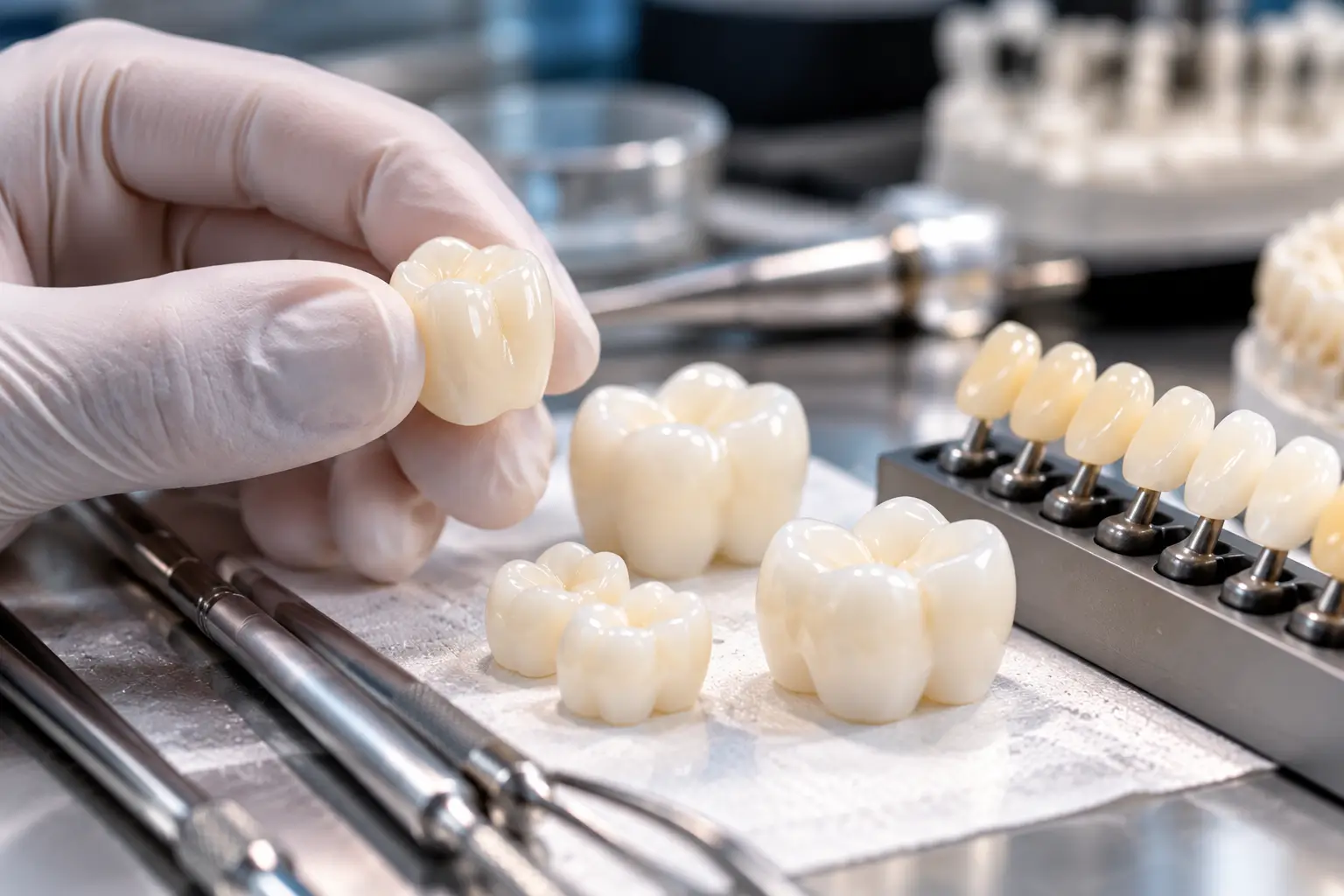
Both options are designed to improve colour, shape and symmetry. Porcelain veneers are well established and can provide a natural surface and stable shade. E-Max is a lithium-disilicate ceramic known for combining aesthetics with strength. The best choice depends on the tooth underneath, the desired shade, bite forces and the amount of preparation needed.
What is the veneer process in Antalya?
- Consultation and smile planning: teeth, gums, bite and expectations are assessed.
- Preparation: depending on the case, a small amount of enamel may be prepared.
- Design and laboratory stage: shape, proportion and shade are planned.
- Try-in and approval: appearance is checked before final bonding.
- Final placement: veneers are bonded and the bite is reviewed.
Dentares states that many veneer cases can be completed in approximately five to seven days, although your exact schedule depends on the plan.
Veneers or crowns: which is better?
A veneer mainly covers the front surface of a tooth and is usually chosen for cosmetic improvement when the underlying tooth is suitable. A crown covers much more of the tooth and is often used when greater structural protection or restoration is needed.
How to plan before you travel
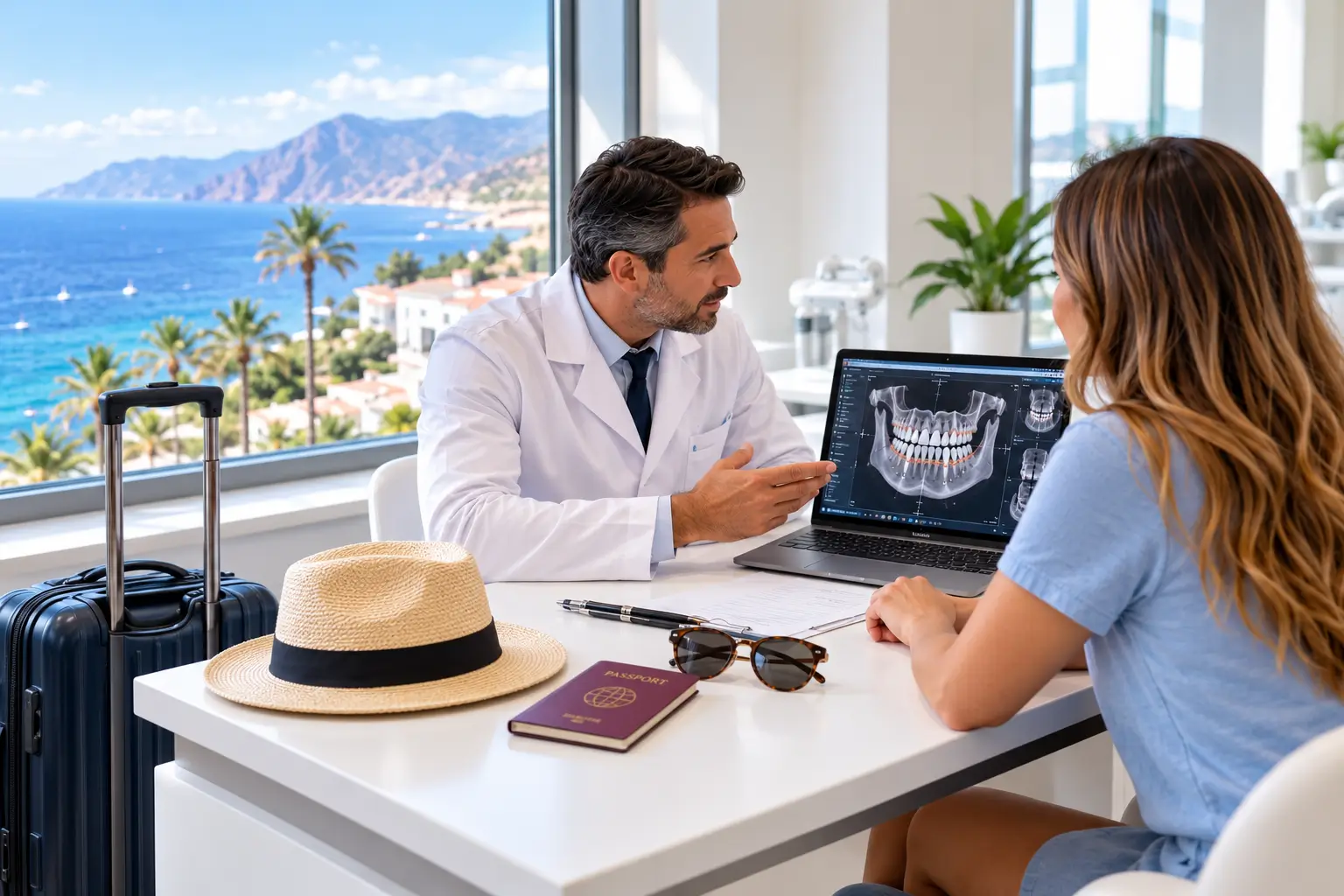
Clear photos, a recent dental check-up and any available X-rays can help the team understand your starting point. During an online consultation you can discuss how many teeth may be involved and whether veneers, crowns or bonding are more suitable.
Start with a personalised smile discussion. Book a free online consultation with Dentares Smile Clinic before arranging your trip.
Frequently asked questions
Do veneers damage natural teeth?
Traditional veneers usually require some enamel preparation, while minimal-prep techniques may remove less. The amount depends on the case, so treatment should be planned conservatively.
Can veneers be whitened later?
Dental ceramics do not respond to whitening in the same way as natural enamel. Shade selection should therefore be discussed carefully before treatment.
How long does a veneer trip take?
Many cases can be completed in one trip of about five to seven days, but treatment time varies with the number of teeth and any additional procedures.