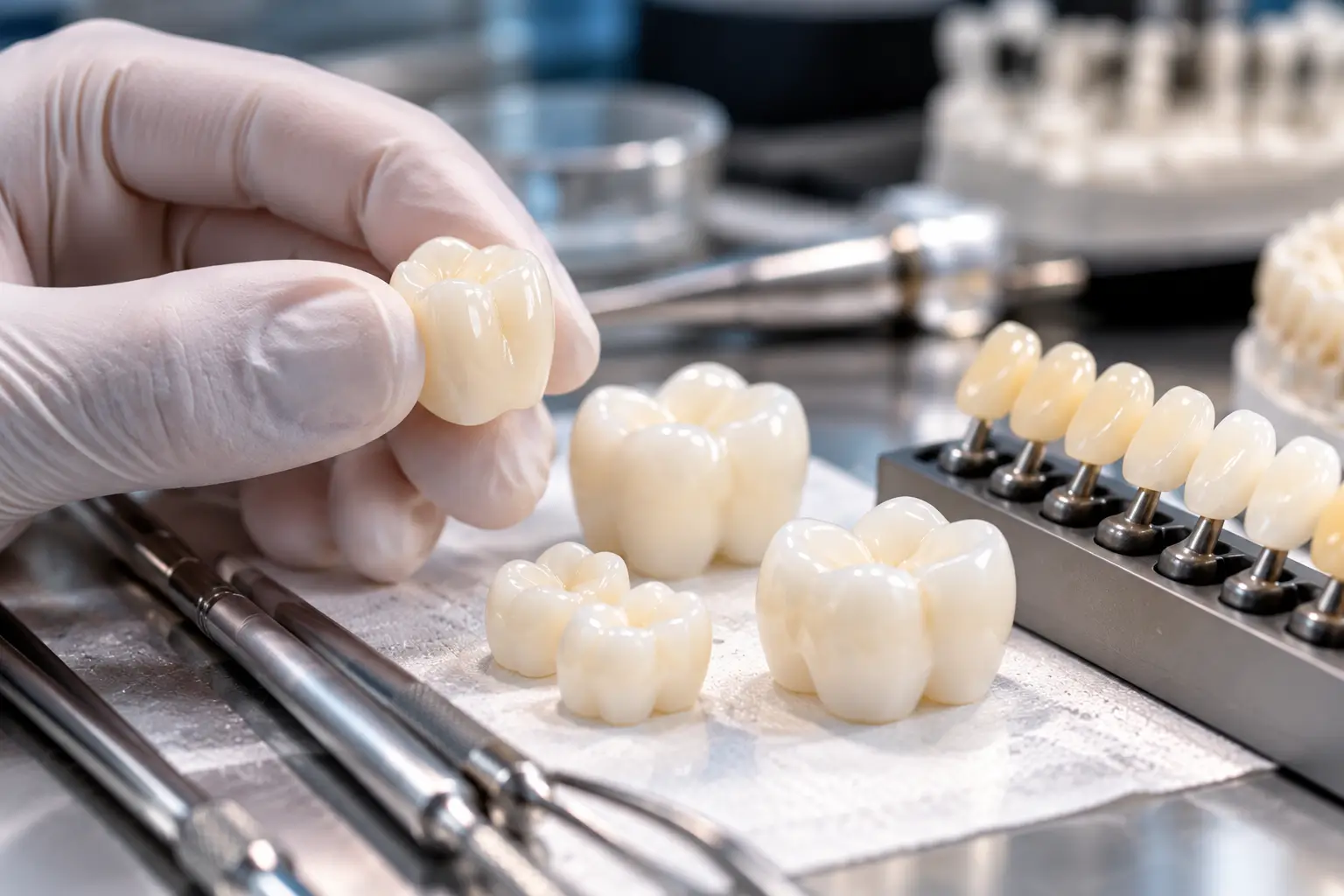
Zirconium crowns are widely used for restoring damaged teeth and for larger smile-rehabilitation cases because they combine strength with a tooth-coloured appearance. Patients researching treatment in Turkey often compare zirconia with E-Max, but the materials are not interchangeable in every situation.
How much do zirconium crowns cost in Turkey?
Using the indicative Turkey-wide range supplied for planning, a zirconia crown commonly falls around $150–$400 (£120–£300) per tooth. The final quotation depends on the number of teeth, tooth preparation, laboratory work, any root-canal or foundation treatment and the type of zirconia used.
If many teeth are involved, do not simply multiply a headline price. Some teeth may need different procedures or may not need crowns at all.
What is a zirconium crown?
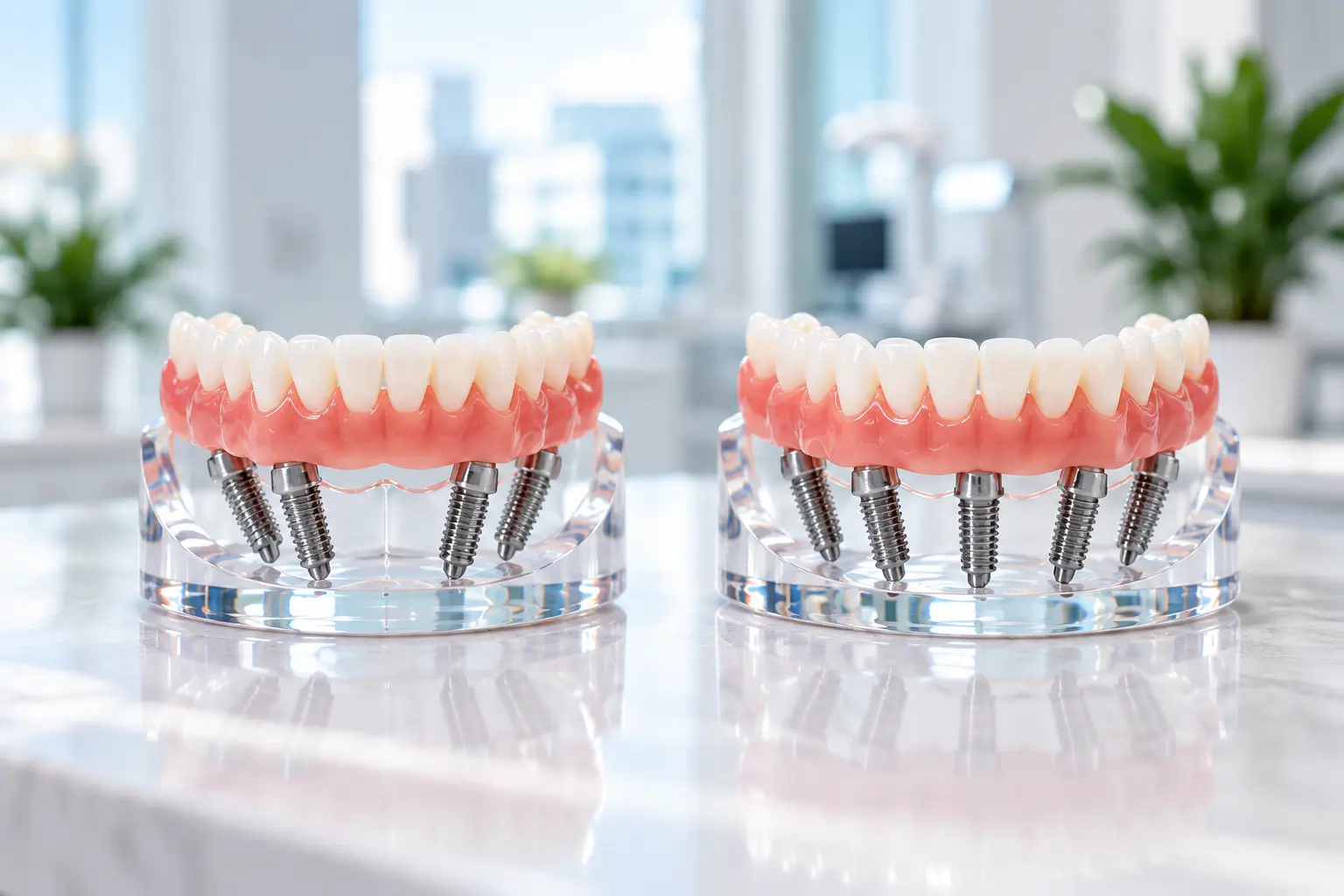
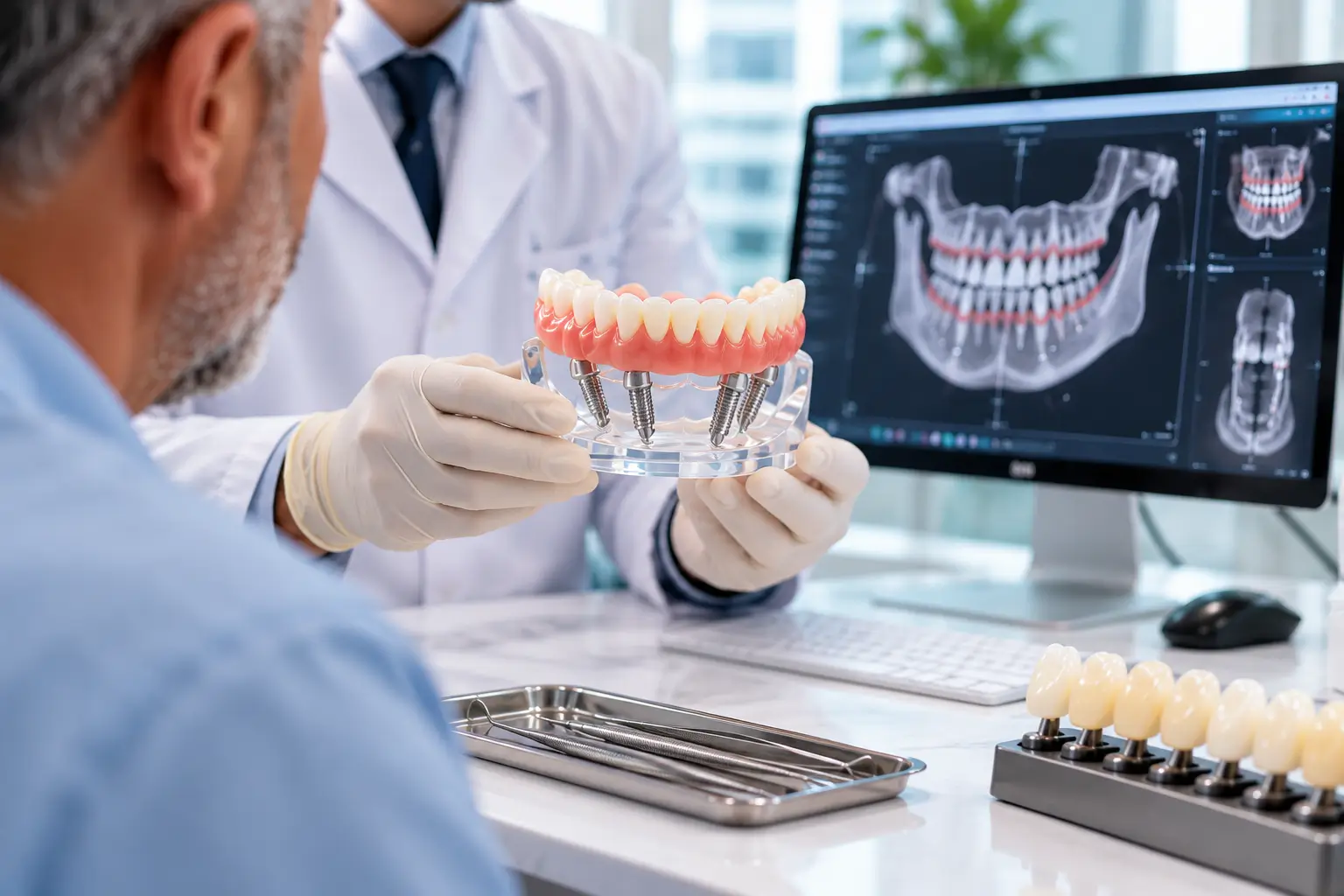
A crown covers the visible part of a tooth and is used when more structural support or restoration is needed than a veneer can provide. Zirconia is a high-strength dental ceramic available in different formulations. Modern zirconia can be designed to balance durability and a natural appearance.
Zirconia vs E-Max: what is the difference?
| Point | Zirconia | E-Max |
|---|---|---|
| Material | Zirconium dioxide ceramic | Lithium-disilicate ceramic |
| Common strength | High strength; often used where load is important | Strong ceramic with excellent optical properties |
| Typical use | Crowns, bridges and implant restorations depending on case | Veneers and crowns where aesthetics are a priority, depending on case |
| Best choice | Depends on tooth position, remaining tooth tissue, bite, colour and treatment goal | |
When is a crown more appropriate than a veneer?
A veneer mainly covers the front surface of a tooth and is generally used for cosmetic changes when the tooth is otherwise suitable. A crown covers much more of the tooth and can be recommended when there is substantial loss of tooth structure, a large existing restoration, fracture or a need for greater protection.
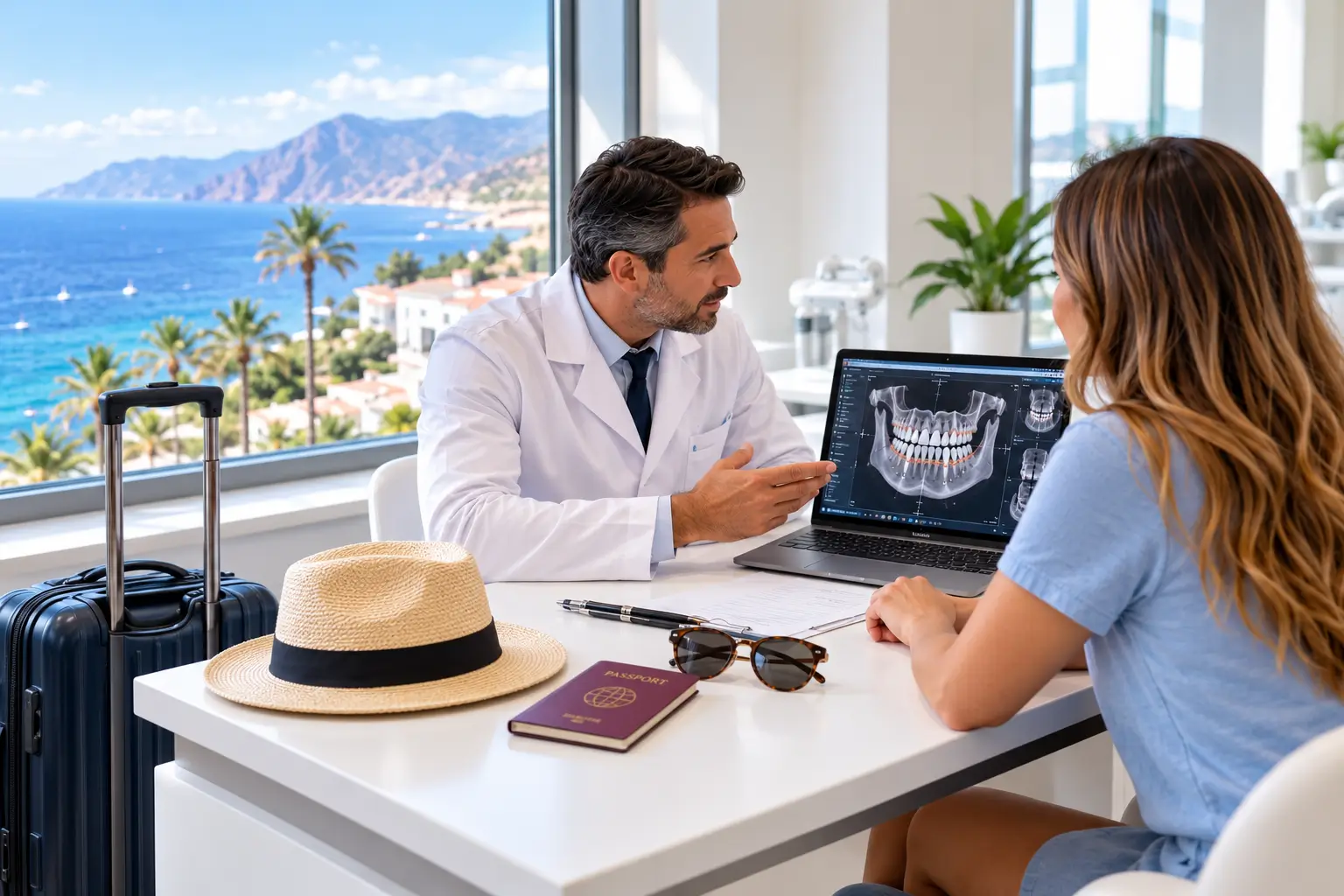
What happens during crown treatment in Antalya?
The process normally includes examination, tooth preparation where required, digital or conventional records, temporary restorations when needed, laboratory production, try-in, bite checking and final cementation. The exact number of days depends on the number of teeth and any additional treatment.
How do I choose the right material?
The ideal material depends on how much natural tooth remains, whether the tooth is front or back, bite strength, tooth colour underneath, gum line, desired shade and whether the restoration sits on a natural tooth or implant.
Get a case-specific recommendation before you travel. Book your free online consultation with Dentares Smile Clinic and discuss zirconia, E-Max and other suitable options.
Frequently asked questions
Do zirconium crowns look natural?
They can. The final result depends heavily on shade selection, shape, surface characterisation and laboratory work.
Are zirconium crowns the same as veneers?
No. A crown covers substantially more of the tooth, while a veneer mainly covers the front surface.
Is E-Max always better for front teeth?
Not always. E-Max can be an excellent aesthetic material, but the best choice depends on the underlying tooth, bite and required strength.